Bunny Face SVG: A Versatile Graphic Design Asset for Crafts and Creative Projects
As a seasoned graphic designer working across branding, packaging, and print-on-demand ventures, I’m always on the lookout for design assets that bring personality without compromising professionalism. Recently, I reviewed Bunny Face Svg Cut File, and it immediately caught my attention with its charm and adaptability. This isn’t just another clipart-style illustration—it’s a well-crafted SVG design that can elevate both handmade crafts and digital product lines when used thoughtfully.
A Warm, Playful Visual Mood for Handmade Businesses
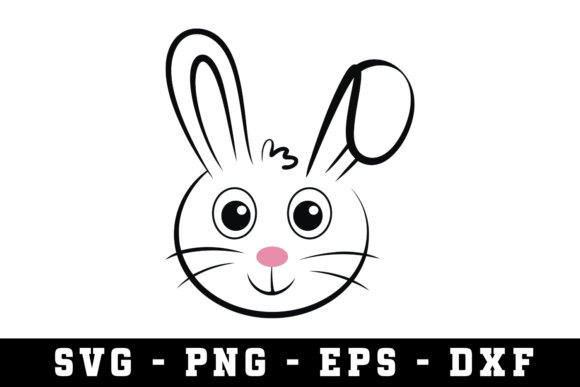
The first thing I noticed about Bunny Face Svg is its soft, approachable aesthetic. The bunny features gentle curves, expressive eyes, and a subtle whimsy that makes it feel like part of a larger character set. It’s not overly stylized or cartoonish, which means it avoids the trap of many free graphics that lean too heavily into cuteness at the expense of sophistication.
This kind of visual mood works especially well for small business branding in niches like children's products, seasonal décor, or boutique items aimed at a lifestyle audience. For instance, if you're designing packaging for an Easter-themed line of gourmet treats or creating invitations for a spring party, this asset could help establish a warm, inviting tone.
Performance Across Real-World Design Applications
I tested the Bunny Face Svg in several real-world scenarios to evaluate its effectiveness as a commercial design asset. Here’s how it performed:
- T-shirt Design: The bunny face added a friendly touch to mockups, particularly when paired with pastel colors or minimalist layouts. Its simplicity made it easy to integrate into both front-and-center designs and subtle accents along sleeves or hems.
- Wood Sign Craft: As a Cricut project element, it layered beautifully with hand-lettered phrases or floral motifs. The clean vector paths allowed for precise cuts, making it ideal for signage in a handmade shop or Etsy store.
- Mug and Tumbler Mockups: The design scaled well to smaller surfaces, maintaining clarity even when printed in high-resolution PNG format. This is essential for sublimation projects where detail retention matters.
- Editorial Design: When incorporated into editorial spreads or blog headers, the bunny helped create a more playful yet professional layout—perfect for content creators targeting a younger demographic or those who want to inject some personality into their web design or Canva templates.
- Sticker Design: The SVG format proved highly editable, allowing me to adjust colors and add gradients easily. It worked great as a standalone sticker design or as part of a themed collection.
What stood out was how well the bunny balanced creativity and usability. Unlike many graphics pulled from creative marketplaces, it didn’t feel like a generic placeholder. Instead, it had enough character to contribute meaningfully to a brand identity while still being flexible enough to fit various applications.
Where This Asset Shines: Large Layouts and Themed Campaigns
The Bunny Face Svg excels in environments where a bit of warmth and whimsy are welcome. It performs best in large layout areas such as hero graphics on websites, posters, or printable wall art. In these formats, the bunny’s details come alive, and its emotional appeal adds depth to the overall visual narrative.
It also fits naturally into themed collections—like springtime, Easter, or baby-related campaigns. When paired with complementary illustrations or fonts (such as a soft script or rounded sans-serif), it enhances the cohesiveness of marketing visuals and product labels.
For designers working with packaging design or social media posts for a handmade business, this asset can serve as a decorative accent or a supporting brand element. Its versatility allows it to be re-colored, resized, and repositioned to suit different palettes and styles, making it a valuable addition to any design bundle focused on seasonal or lifestyle themes.
Use With Caution: Avoid Overcomplication in Minimalist or Corporate Settings
While the bunny is charming, it’s important to recognize where it might not be the best fit. In small sizes, the facial expression can lose definition, becoming less impactful and harder to distinguish. Similarly, placing it in crowded layouts or complex backgrounds may result in a cluttered visual hierarchy.
If your client requires very clean, modern design or corporate materials with a serious tone, this asset should be used carefully. The playful nature of the bunny doesn’t align with the expectations of professional branding that leans toward minimalism or typography-driven aesthetics.
Always test it in black and white to ensure it remains legible and meaningful without color. Also, preview it against light and dark backgrounds to see how contrast affects visibility. These checks will help maintain visual trust and recognition across all platforms.
Emotional Appeal and Audience Engagement
One of the strongest points of Bunny Face Svg is its emotional resonance. The bunny evokes a sense of innocence, joy, and nostalgia—qualities that can significantly boost audience engagement in the right context. For brands targeting families, pet lovers, or those selling cute, collectible items, this illustration can be a powerful tool.
In Instagram posts or Pinterest pins, the bunny helps draw the eye and encourages interaction. Its presence can make digital ads feel friendlier, which is especially useful for lifestyle or retail brands looking to stand out in a sea of polished, impersonal content.
Designers Should Check These Before Using Commercially
- Commercial Licensing: Always confirm that the file comes with a proper commercial license. Many SVG files available online aren’t suitable for client work unless explicitly stated.
- SVG Editability: Open the file in Adobe Illustrator or Inkscape to check how editable it is. Being able to modify anchor points or layers gives you more control over the final output.
- Print Quality: Test print the PNG version at full scale to assess how it holds up. If you’re planning to use it for t-shirt printing or merchandise, ensuring crisp lines and no pixelation is key.
- Transparency: If included, review the PNG transparency. Clean edges and no background bleed-through are crucial for stickers, product mockups, and overlay effects in web design.
- Font Pairing: Compare it with serif, sans-serif, script, and display fonts to find the most harmonious combinations. A handwritten font often complements the bunny’s style better than a rigid typeface.
Integrating Into Brand Identity and Merchandise
When considering logo design or brand identity, the bunny could act as a mascot or secondary icon. It’s not a primary brand mark, but it can support the main logo by adding a memorable visual motif. Think of it as a supporting actor rather than the lead—its role is to enhance the storytelling, not overshadow it.
In product labels or packaging design, it serves as a delightful detail that reinforces the handmade, artisanal vibe. Whether it’s stamped onto a wooden crate or subtly placed on a fabric tote bag, it brings a layer of authenticity and care that resonates with customers.
For digital sellers, it can be repurposed into a variety of downloadable graphics—holiday cards, printable invitations, or even custom social media graphics. It’s the kind of asset that feels personal enough for crafters but still maintains a level of polish required for professional deliverables.
Why It’s a Useful Addition to Your Creative Toolkit
Ultimately, Bunny Face Svg is a design asset that bridges the gap between Graphics and Crafts. It has the structure of a commercial design with the heart of a handmade illustration. That duality makes it incredibly useful for cross-platform branding efforts, especially for businesses that operate in both physical and digital spaces.
Its ability to adapt across mediums—from Cricut projects to website headers—makes it a standout among SVG designs. And because it’s scalable, editable, and expressive, it can evolve with your clients’ needs over time. Just remember to treat it with the same attention you would any other design element: consider its purpose, placement, and impact before committing it to a final layout.
If you're working on a project that calls for a touch of charm, a hint of playfulness, or a visual nod to the seasons, this asset is worth exploring. Just don’t let it dominate a space where it doesn’t belong. Used wisely, it can become a signature piece in a broader design strategy—especially for brands in the handmade or lifestyle sectors.